
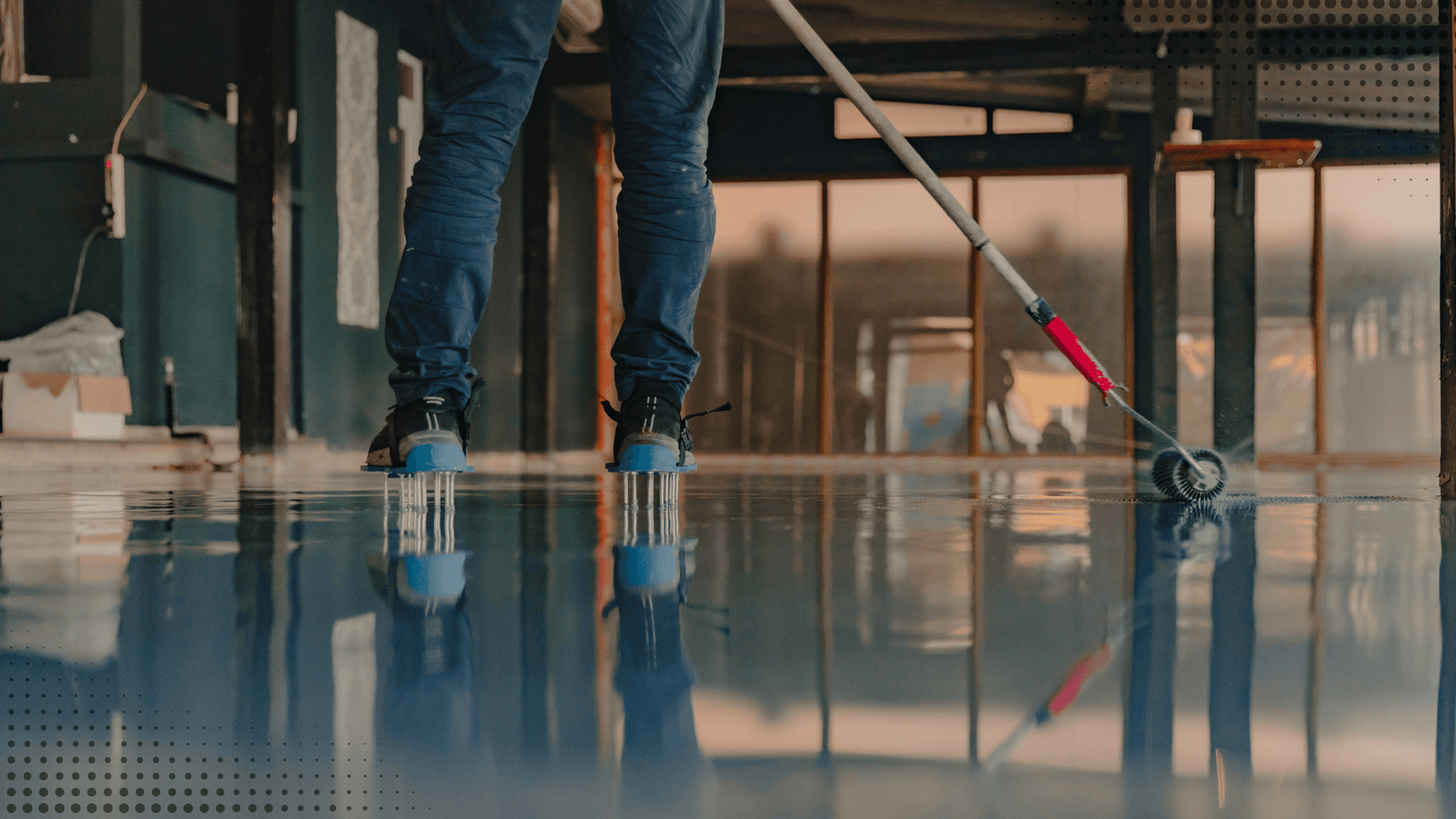
Epoxy floor installation has become one of the most popular ways to transform dull concrete floors into sleek, durable, and visually appealing surfaces. Whether you are updating your garage, basement, or living area, epoxy flooring for homes offers a seamless blend of strength and style. Before you begin your project, understanding what epoxy flooring is, how it’s applied, and what to expect during installation is key to achieving lasting results.
What is Epoxy Flooring?
Epoxy flooring is a type of surface coating made by mixing epoxy resin and a hardener. When these two materials combine, they form a chemical bond that creates a rigid plastic layer over your concrete floor. This layer is durable, resistant to chemicals, and visually striking, making it ideal for both residential and commercial spaces.
Common Types of Epoxy Flooring
- Solid epoxy coating: The most durable and long-lasting type, perfect for garage epoxy flooring or heavy-duty areas.
- Flake epoxy flooring: Includes decorative flakes for a textured, slip-resistant finish.
- Metallic epoxy coating: Offers a luxurious, high-gloss look that resembles marble or molten metal, ideal for residential epoxy flooring in living areas or basements.
Benefits of Epoxy Floor Installation
Choosing an epoxy floor coating for your home or garage comes with several benefits that go beyond aesthetics.
1. Exceptional Durability
Epoxy creates a tough, protective layer that can handle heavy foot traffic, dropped tools, and vehicle weight without cracking or peeling.
2. Low Maintenance
Unlike tile or carpet, epoxy floors are easy to clean. Dust, oil, and spills can be quickly wiped away, making them perfect for busy households or workshops.
3. Moisture and Stain Resistance
Epoxy flooring seals the concrete beneath it, preventing water damage and stains. This makes it a great choice for basements, garages, and laundry rooms.
4. Enhanced Safety
Anti-slip additives can be mixed into the epoxy to create a safer surface, especially for garage epoxy flooring where spills or wet tires are common.
5. Stylish Versatility
From matte finishes to high-gloss metallic looks, epoxy flooring for homes offers endless design possibilities. Homeowners can customize color, texture, and finish to complement their interior design.
The Epoxy Floor Installation Process
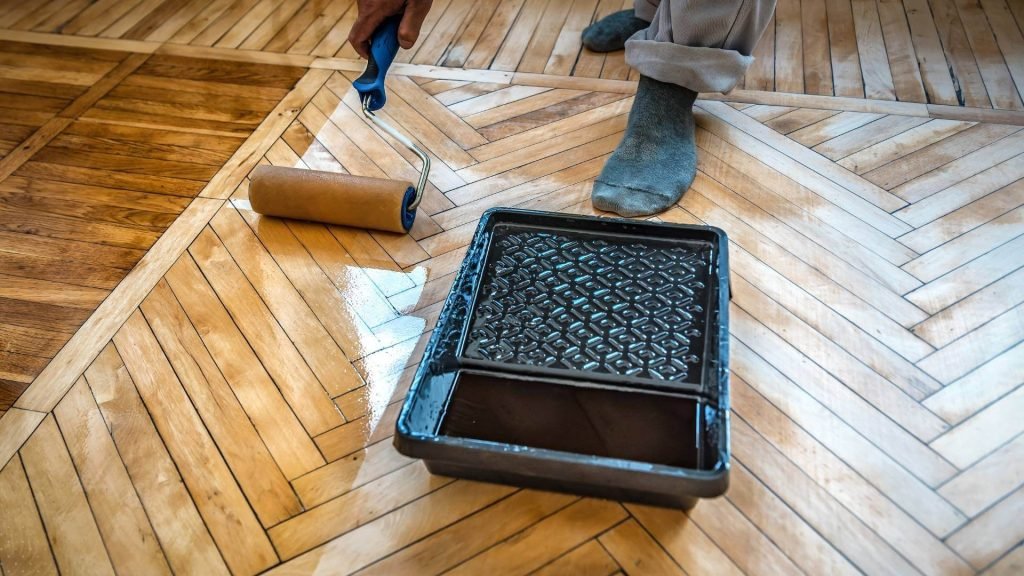
Proper installation determines the performance and longevity of your epoxy floor coating. Here’s what the typical process looks like:
Step 1: Surface Preparation
Before applying epoxy, the existing concrete surface must be cleaned and repaired. Cracks are filled, stains removed, and the surface is etched or ground to ensure strong adhesion.
Step 2: Primer Application
A primer is applied to improve the bond between the concrete and the epoxy layer. It also helps seal the floor, reducing air bubbles in the final coat.
Step 3: Mixing the Epoxy
The epoxy resin and hardener are mixed according to precise ratios. This mixture must be applied within a specific time window before it begins to harden.
Step 4: Applying the Base Coat
A roller or squeegee is used to evenly spread the base coat over the floor. Decorative flakes or color pigments can be added for customized finishes.
Step 5: Topcoat Sealing
Once the base layer cures, a clear topcoat is applied to enhance durability and shine. This step protects your residential epoxy flooring from wear, stains, and UV damage.
Step 6: Curing Time
After installation, epoxy needs time to cure properly. Walking on the surface is typically safe after 24 hours, but full curing may take up to a week.
Common Mistakes to Avoid
Even though epoxy floors are durable, poor installation can lead to premature damage. Avoid these common errors:
- Skipping surface preparation: Any oil, dust, or moisture left on the surface can prevent the epoxy from bonding properly.
- Incorrect mixing ratios: Too much or too little hardener can weaken the coating.
- Applying in the wrong temperature: Epoxy should be installed in moderate temperatures for best results.
- Not allowing full curing: Walking or parking on the floor too soon can cause indentations or marks.
For best results, hire a professional epoxy floor installation contractor who has experience with both residential and garage flooring projects.
Cost and Longevity
The cost of residential epoxy flooring varies depending on the type of epoxy, design complexity, and surface condition. On average, homeowners can expect to pay between $4 to $10 per square foot. With proper installation and maintenance, epoxy floors can last 10 to 20 years or longer.
Tips to Extend the Lifespan
- Clean regularly with a soft mop and mild detergent.
- Avoid using acidic or abrasive cleaners.
- Reapply a clear topcoat every few years for added protection.
Is Epoxy Flooring Right for You?
Epoxy flooring is an excellent investment for homeowners seeking durability, easy maintenance, and a polished look. Whether you are upgrading your garage, basement, or living space, epoxy flooring for homes can significantly enhance both functionality and style.
If you want long-lasting, beautiful floors that can handle anything life throws at them, consider working with a trusted local contractor specializing in epoxy floor installation.
Conclusion
Epoxy floors offer a durable, stylish, and cost-effective flooring solution for both residential and garage spaces. With the right preparation and professional installation, your epoxy floor coating can provide years of reliable performance and visual appeal. Ready to transform your home with a sleek new floor? Contact a certified epoxy flooring expert today to get started.